The Round-Number Trap: How Chasing the ‘Perfect Price’ Can Kill Your Exit
You’ve probably done it at the petrol pump — watched the numbers click over and thought, “I’ll just nudge it to a perfect £50.00.” Then…
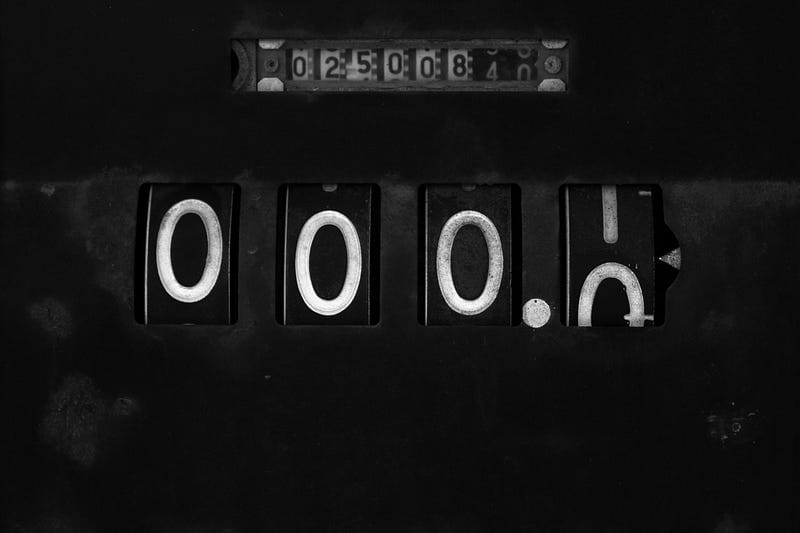
You’ve probably done it at the petrol pump — watched the numbers click over and thought, “I’ll just nudge it to a perfect £50.00.”
Then you overshoot. Now you’re at £50.08, and you’re trying to fix it by topping up to £51.00. It’s silly, but we’ve all done it.
Business owners make the exact same mistake when selling.
Only instead of a few pence, it can cost them millions.
The Psychology of the Perfect Number
In trading, round numbers — £10, £50, £100 — are magnets. Traders get fixated on them, holding out for the “perfect” exit price instead of taking profit into strength.
The problem? Markets don’t care about your perfect number. They move, and liquidity disappears.
When you’re selling your business, it’s tempting to do the same:
- “I’ll sell for exactly £10 million.”
- “I’ll exit when EBITDA hits £2 million.”
- “I just want that extra 0 at the end.”
But the danger is real: while you wait for the magic number, buyers can lose interest, market sentiment can change, and the deal can fall apart entirely.
The Real Cost of Holding Out
Let’s say you’ve got an offer today for £9.6 million, but you’re holding out for £10 million because it feels cleaner. That’s a £400k gap — sounds big, right?
Now ask yourself:
“Will this difference truly change my life, my lifestyle, or my future security?”
For most sellers, the honest answer is no.
But the risk of chasing that last few percent?
- The deal unwinds.
- You have to re-energise, re-engage advisers, and go back to market.
- Buyers sense you’re chasing the number, not the opportunity.
And often, the second time you go to market, the price is lower — not higher.
Why It’s Like Trading Into a Liquidity Pool
In markets, liquidity pools are where multiple buyers are active. Smart traders sell into them before chasing that “last tick.”
In business sales, your “liquidity pool” is the window where:
- Strategic buyers have cash and motivation.
- M&A activity in your sector is high.
- Sentiment is positive and competition is bidding.
If you pass on a serious offer in this zone just to hit a round number, you might miss the pool entirely.
How to Avoid the Round-Number Trap
- Define your walk-away range — not just your dream price — Have a price band that works for you.
- Ask: Will this change my life? — If the gap won’t alter your future, it’s not worth the risk.
- Watch market conditions — Selling into strength beats waiting for perfection.
- Trust the maths, not the emotion — A round number is satisfying, but it’s not strategy.
Final Thought:
Getting fixated on a perfect price puts you at risk overshooting, making a mess, and wasting time.
The smartest exits happen when you sell into the pool, take the life-changing number in front of you, and move forward.
Because once the deal’s gone, you’re not just chasing a number — you’re starting the whole process again from zero.


